Season, Transportation, and Production: How Sustainable Cooking Connects

Season, Transportation, and Production: How Sustainable Cooking Connects
Sustainable cooking isn’t just about buying organic produce or cutting down on food waste. It’s about understanding how season, transportation, and production are connected—and how your choices in the kitchen can make a real difference for the planet. By paying attention to when and where your ingredients come from, you can reduce your carbon footprint while enjoying fresher, more flavorful meals.
The Rhythm of the Seasons – Nature’s Own Calendar
Eating with the seasons is one of the simplest and most effective ways to cook sustainably. When you choose fruits and vegetables that are in season, you’re selecting foods grown under natural conditions—without the need for heated greenhouses or long-distance shipping.
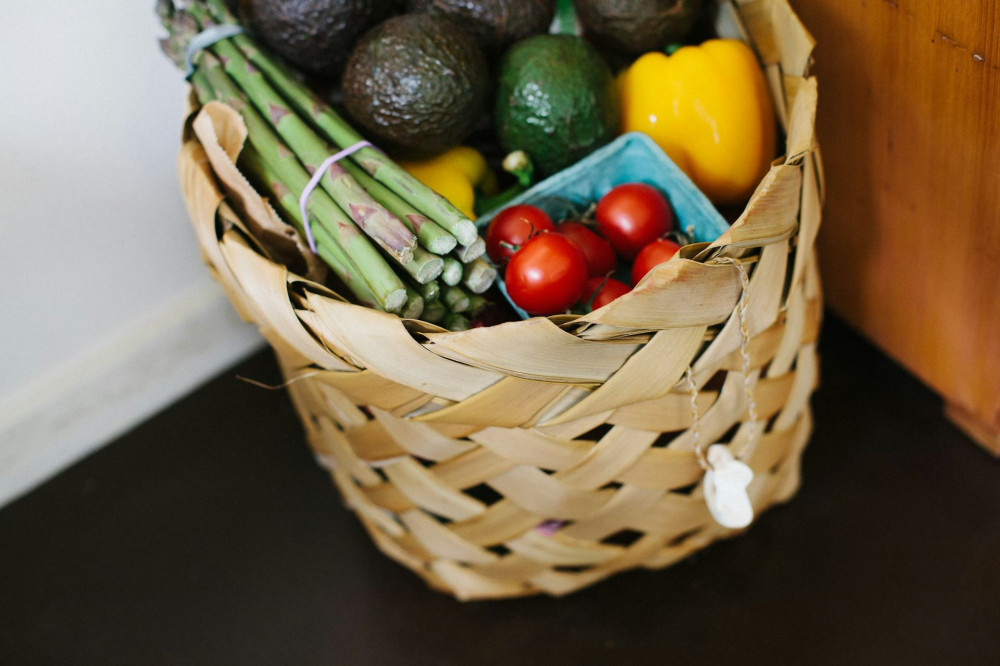
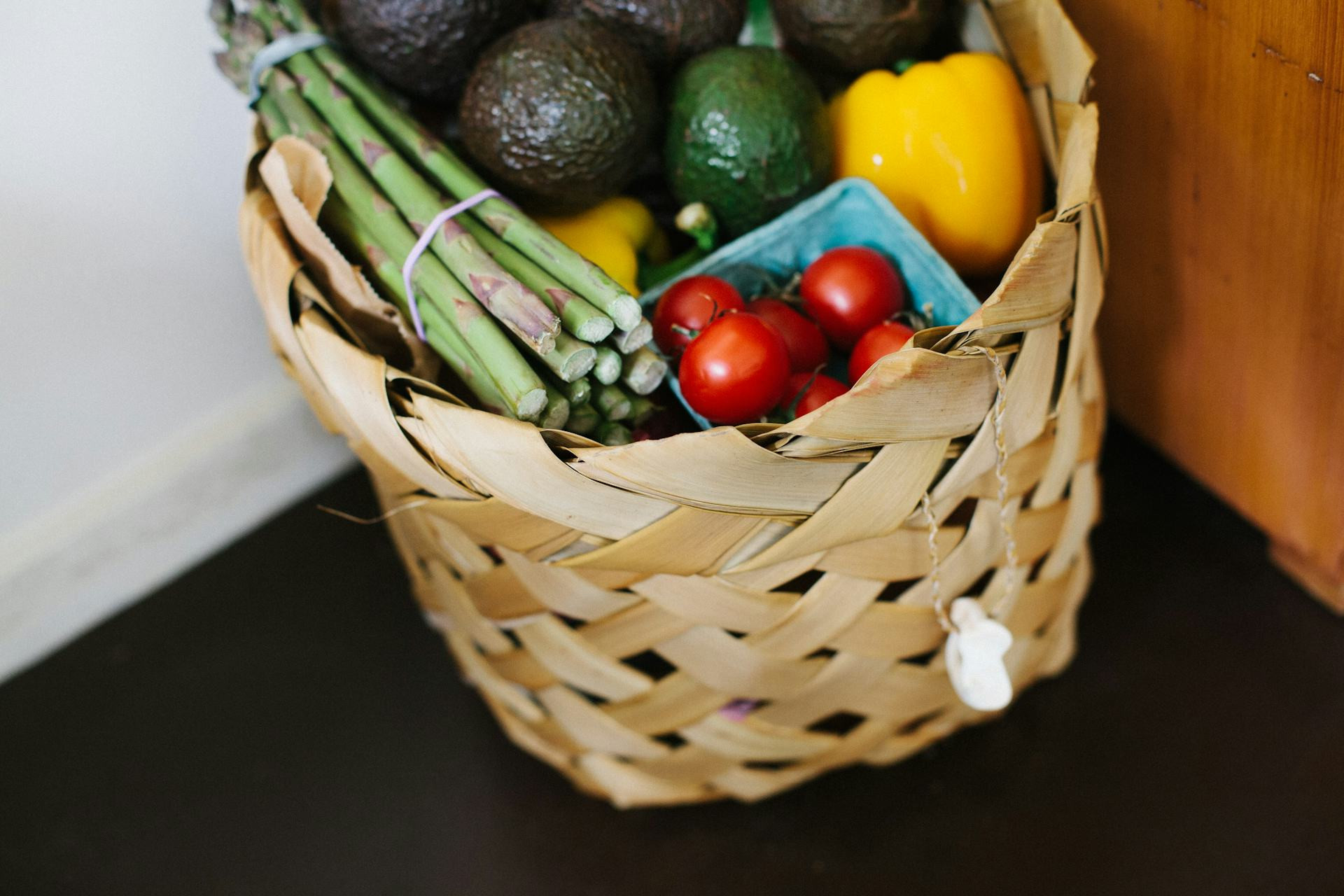
In the U.S., spring brings tender greens like spinach, asparagus, and peas. Summer overflows with tomatoes, corn, and berries, while fall offers apples, squash, and root vegetables. Winter is the time for hearty produce like kale, cabbage, and stored potatoes, as well as dried beans and lentils that provide warmth and nourishment through the colder months.
Following the rhythm of the seasons not only gives you fresher, tastier food but also encourages a natural variety in your diet. It’s good for your health—and for the planet.
Læs også:



The Impact of Transportation – From Farm to Table
Food transportation plays a major role in its overall environmental footprint. The farther a product travels, the more energy is used for shipping, refrigeration, and packaging. That’s why choosing local products whenever possible is a smart rule of thumb.
A Washington apple in October, for example, typically has a much lower carbon footprint than one flown in from the Southern Hemisphere. The same goes for vegetables, dairy, and meat. Buying local supports nearby farmers and reduces the need for long-term storage and transport.
Of course, not everything can be grown locally. Coffee, bananas, and certain grains come from other climates. In those cases, look for responsibly sourced options—such as Fair Trade or certified organic products—to ensure that your purchases support ethical and sustainable production.
The Footprint of Production – How Food Is Grown and Raised
How food is produced has a huge impact on the environment. Meat production, especially beef, generates significant greenhouse gas emissions, while plant-based foods generally have a much smaller footprint. Even small changes—like adding a few meatless meals each week or using beans and lentils as protein sources—can make a meaningful difference.
Farming methods matter, too. Organic agriculture avoids synthetic pesticides and fertilizers, helping to protect soil and water quality. Regenerative farming goes a step further by rebuilding soil health and capturing carbon from the atmosphere. When you choose products from farmers and producers who use sustainable methods, you’re supporting a food system that benefits both people and the planet.
Food Waste – The Hidden Climate Culprit
Even the most sustainably produced food loses its value if it ends up in the trash. Food waste accounts for a significant share of global greenhouse gas emissions. Planning your meals, storing food properly, and using leftovers creatively are all key to reducing waste.
Try making a weekly meal plan, freezing extra portions, and turning leftovers into new dishes. A few stray vegetables can become a soup or stir-fry, and stale bread can be transformed into croutons or breadcrumbs. Small habits like these save money, reduce waste, and make your kitchen more sustainable.
Balancing Flavor and Responsibility
Sustainable cooking isn’t about giving up enjoyment—it’s about finding balance between taste, quality, and responsibility. When you choose ingredients thoughtfully, follow the seasons, and support local producers, you create meals that are both delicious and environmentally friendly.
You don’t have to change everything overnight. Start small—buy local produce, plan your meals, and experiment with plant-based recipes. Over time, these choices become second nature, and you’ll discover that sustainability and good food truly go hand in hand.
Læs også: