Culinary Craft as Therapy – Find Calm and Presence Through Cooking


Culinary Craft as Therapy – Find Calm and Presence Through Cooking
In a world where life often feels like a constant rush—between work, family, and the endless stream of notifications—cooking can be more than just a daily chore. For many Americans, it has become a form of therapy: a space to slow down, focus, and reconnect with the present moment. Standing in the kitchen, feeling the texture of ingredients, and creating something with your own hands can bring a sense of calm and accomplishment that’s hard to find elsewhere.
Cooking as a Sensory Pause
When you chop vegetables, knead dough, or taste a simmering sauce, all your senses come alive. You smell, see, hear, and touch. This sensory engagement is what makes cooking such a grounding, almost meditative activity. Instead of worrying about deadlines or scrolling through social media, you become absorbed in the colors, sounds, and aromas around you.
Psychologists have noted that repetitive, rhythmic movements—like stirring a pot or slicing produce—can soothe the nervous system. It’s similar to mindfulness practice, where attention is anchored in the present, allowing thoughts to settle and stress to ease.
The Craft of Cooking
Cooking is a craft, and like any craft, it requires patience, practice, and respect for the process. Learning to bake bread from scratch or preserve summer fruit connects you to traditions that stretch back generations. It’s not just about the final dish—it’s about the journey of making it.
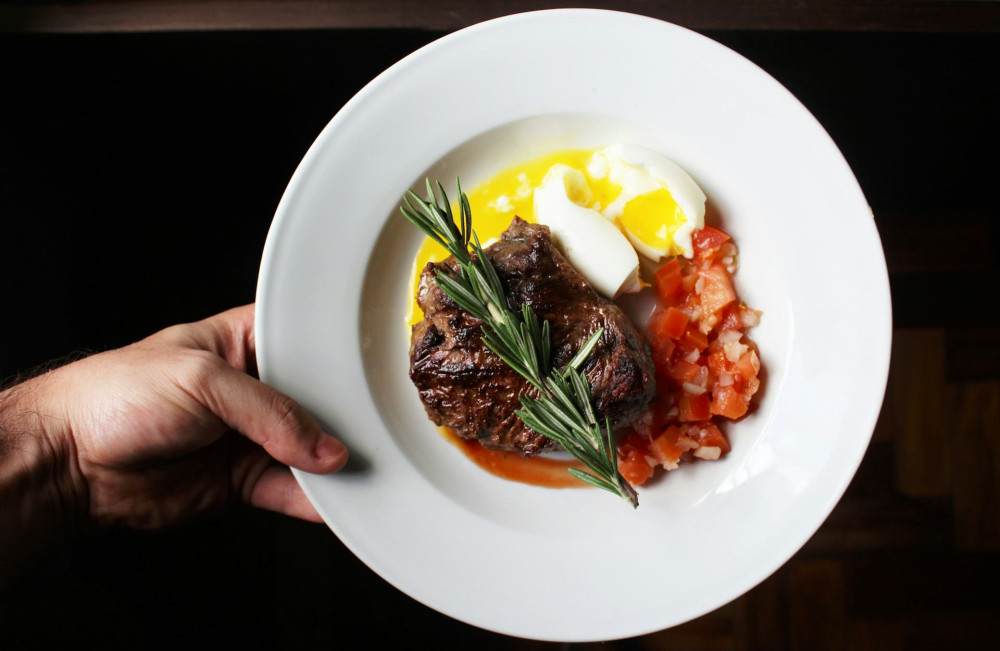
Mastering techniques such as whisking a perfect meringue or searing a steak just right can bring deep satisfaction. In a world dominated by screens and instant results, cooking reminds us that some of life’s most rewarding experiences come from slow, hands-on effort. It’s a way to reconnect with something tangible and real.
Læs også:


Cooking as Self-Care
Preparing food for yourself or others is an act of care. Taking the time to cook a meal sends a message—to yourself and those you love—that nourishment and attention matter. It doesn’t have to be elaborate; even a simple homemade soup or a loaf of bread can feel restorative.
For many, cooking becomes a ritual that marks the transition from work to rest. Lighting a candle, pouring a glass of wine, and beginning to cook can signal that it’s time to unwind. It’s a quiet form of self-care that feeds both body and mind.
Connection and Presence Around the Table
While cooking can be a solitary pleasure, it’s also a deeply social act. Preparing food with others—family, friends, or neighbors—creates connection and shared presence. The teamwork in the kitchen, the laughter, and the aroma of food cooking together strengthen bonds in a natural, joyful way.
The meal itself becomes a gathering point, a moment to share not just food but time and attention. In a culture where everyone is often on the go, sitting down to eat together can be one of the few times when everyone pauses, puts away their phones, and simply enjoys being together.
Bringing Culinary Therapy Into Everyday Life
You don’t need to be a professional chef to experience the therapeutic benefits of cooking. It’s about creating small moments of calm and focus in your kitchen. Here are a few simple ways to start:
- Cook without rushing. Set aside enough time so you can enjoy the process instead of hurrying through it.
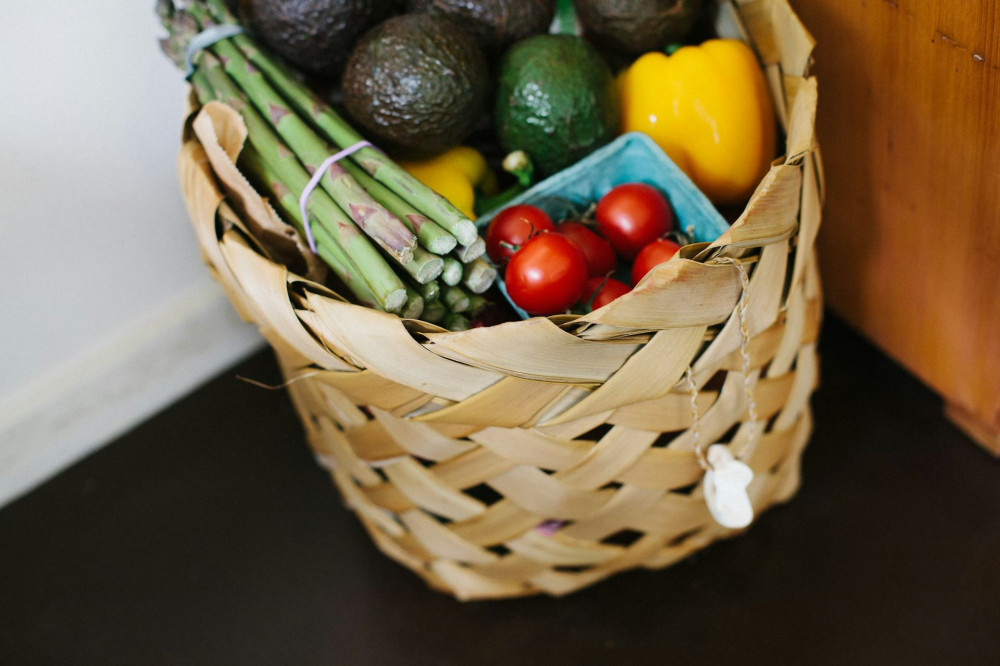
- Use seasonal ingredients. Cooking with what’s fresh and local brings variety and a natural rhythm to your meals.
- Create rituals. Maybe a weekly baking day or a Sunday dinner tradition that you look forward to.
- Invite others in. Cooking together can be a fun, relaxing way to connect.
- Stay curious. Try new recipes, cuisines, or techniques to keep the joy of cooking alive.
A Haven in a Busy World
Cooking won’t solve every problem, but it can offer a refuge in the middle of a hectic life—a place where you can slow down, create something with your hands, and feel grounded. In a fast-paced world, the kitchen can become one of the few spaces where time stretches, senses awaken, and you rediscover the simple pleasure of being present.
Læs også: