Flavorful Vegetables: How to Bring Out Their Natural Taste


Flavorful Vegetables: How to Bring Out Their Natural Taste
Vegetables aren’t just good for you—they can be bursting with flavor when treated right. Too often, they’re seen as a side dish or an afterthought, but with a few simple techniques, vegetables can easily become the star of your plate. Here’s how to bring out their natural taste and make them shine in your everyday cooking.
Start with Fresh, Seasonal Produce
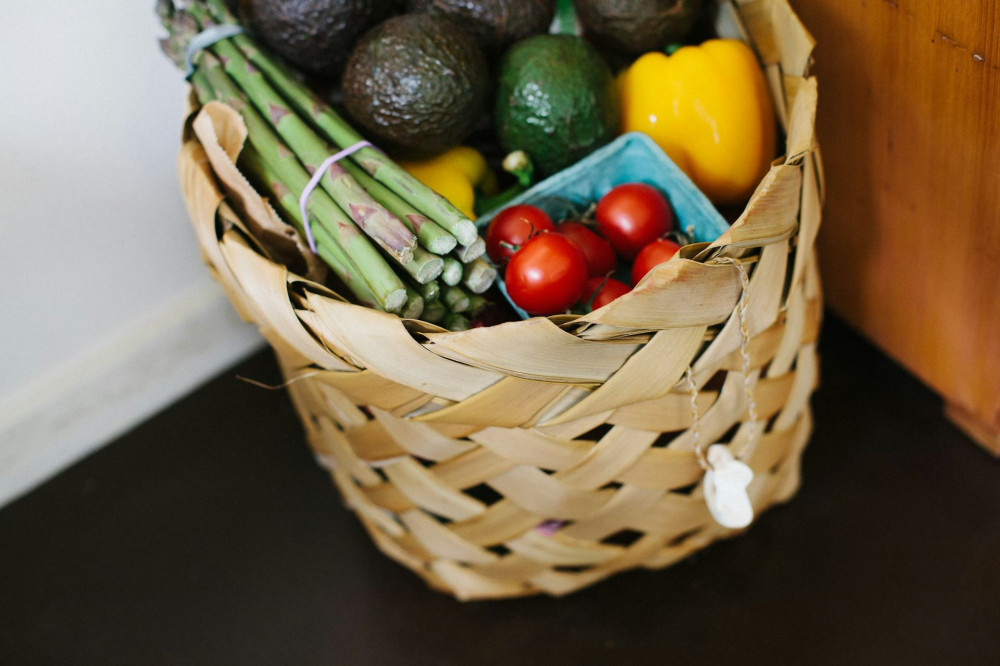
Flavor begins with what you buy. Fresh, in-season vegetables have more sweetness, aroma, and texture than those that have traveled long distances or sat in storage.
- Shop by season – Sweet corn, tomatoes, and zucchini are at their best in summer, while squash, carrots, and Brussels sprouts peak in fall and winter.
- Look for color and firmness – Bright, crisp vegetables are a sign of freshness.
- Buy local when possible – Farmers’ markets and community-supported agriculture (CSA) boxes often offer produce that’s been picked just days—or even hours—before you buy it.
Choosing seasonal, local vegetables not only improves flavor but also supports sustainable eating habits.
Læs også:


Cook to Preserve Flavor and Texture
Overcooking is the quickest way to dull a vegetable’s natural character. The goal is to keep their color, crunch, and sweetness intact.
- Steaming – Keeps nutrients and natural sweetness, perfect for broccoli, green beans, and cauliflower.
- Roasting – Brings out deep, caramelized flavors by concentrating natural sugars. Try roasted carrots, beets, or sweet potatoes.
- Sautéing – A quick toss in a hot pan with a bit of oil or butter enhances freshness in spinach, mushrooms, or zucchini.
- Grilling – Adds a smoky edge and crisp texture. Bell peppers, eggplant, and corn on the cob are especially delicious on the grill.
Whatever method you choose, aim for tender-crisp rather than soft and mushy—texture is part of the pleasure.
Use Fat and Acid to Enhance Flavor
Fat and acid are the secret weapons of great vegetable cooking. A touch of oil, butter, or nuts adds richness, while a splash of acid—like lemon juice or vinegar—brightens and balances the dish.
- Olive oil adds depth to roasted or grilled vegetables.
- Butter pairs beautifully with steamed peas, carrots, or green beans.
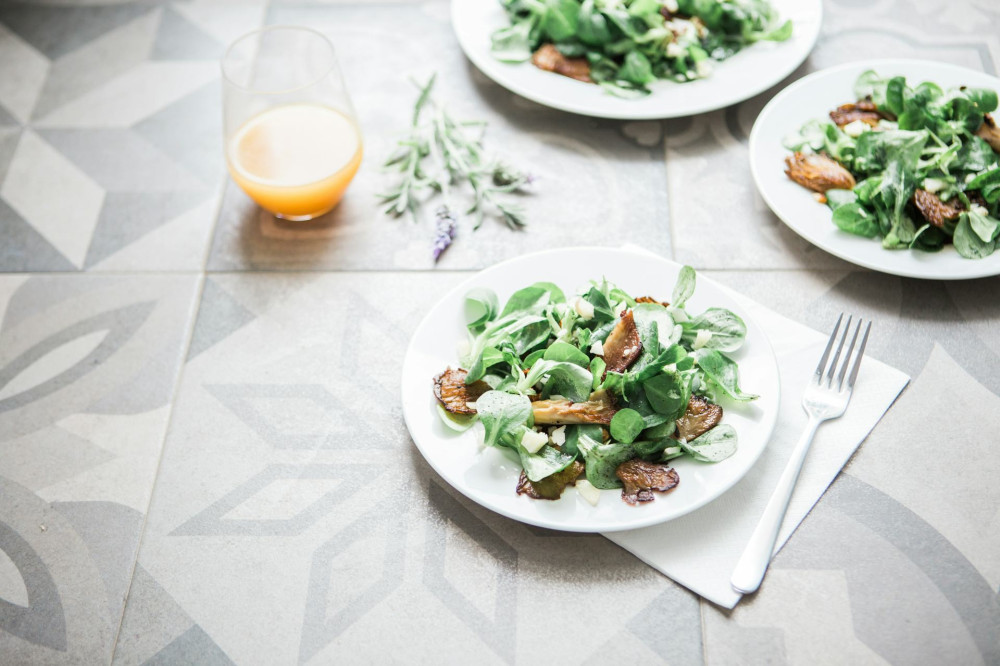
- Lemon juice or balsamic vinegar can lift the flavor of salads and roasted dishes.
- Yogurt or sour cream provides a creamy contrast to spicy or roasted vegetables.
The key is balance—use these elements to highlight, not hide, the vegetables’ natural taste.
Herbs and Spices: Vegetables’ Best Friends
Herbs and spices can transform even the simplest vegetables into something special. Experiment with combinations to find your favorites:
- Thyme and rosemary for potatoes, carrots, and root vegetables.
- Basil and oregano for tomatoes, zucchini, and eggplant.
- Cumin and coriander for cauliflower, lentils, or carrots.
- Dill and lemon zest for green beans or cucumbers.
A sprinkle of fresh herbs just before serving adds aroma, color, and a touch of freshness that makes any dish more inviting.
Let Vegetables Take Center Stage
Vegetables don’t have to play a supporting role—they can easily be the main event. Try:
- A vegetable lasagna with layers of roasted zucchini and eggplant instead of pasta.
- A hearty salad with roasted root vegetables, lentils, and goat cheese.
- A vegetable curry with coconut milk, chickpeas, and spinach.
- A savory tart filled with leeks, kale, and a bit of cheese.
When vegetables are the focus, you’ll discover just how satisfying and complex their flavors can be.
Taste as You Go
There are no strict rules for cooking vegetables—just taste and adjust as you go. A pinch of salt, a drizzle of oil, or a handful of herbs can make all the difference.
Bringing out the natural flavor of vegetables is ultimately about respect for the ingredient—letting it speak for itself and giving it the care it deserves.
Læs også: