One Meal for Everyone: How to Plan Food That Works for Both Kids and Adults

One Meal for Everyone: How to Plan Food That Works for Both Kids and Adults
Cooking a meal that pleases both kids and adults can feel like a daily juggling act. Kids often prefer familiar, mild flavors, while adults crave variety, spice, and more vegetables. But that doesn’t mean you have to cook two separate dinners every night. With a bit of planning and a few smart strategies, you can create meals that satisfy everyone—without doubling your workload.
Think in Flexible Dishes
The secret to family-friendly meals is flexibility. Choose dishes that can easily be customized so everyone gets something they enjoy. For example:
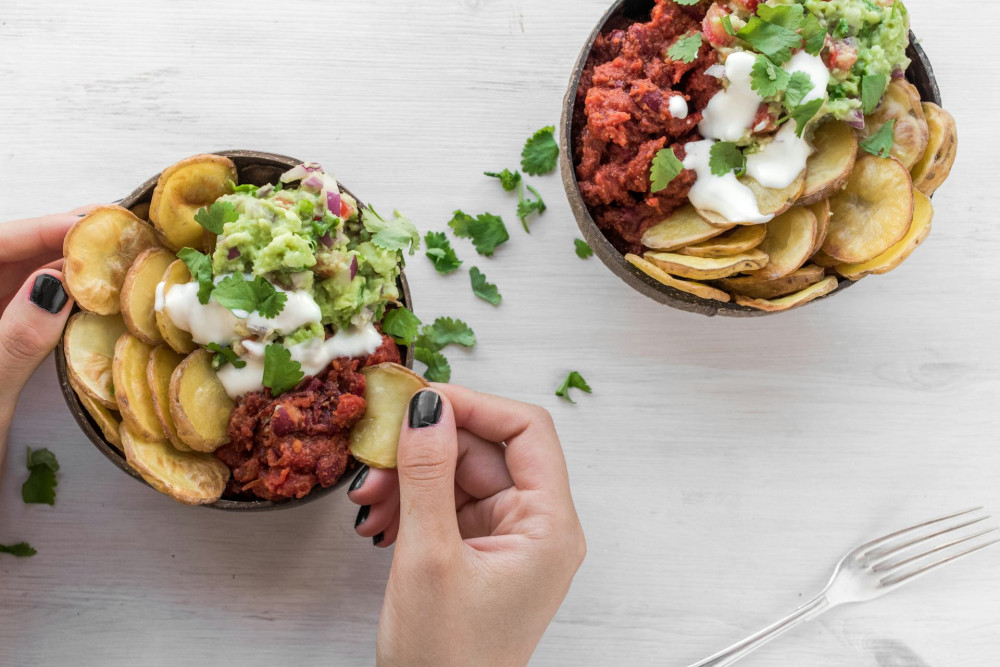
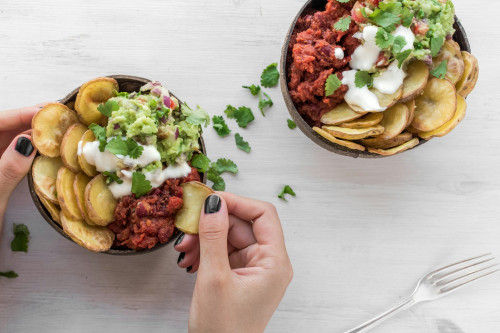
- Taco or burrito bowls – set out toppings like beans, cheese, salsa, and veggies so everyone can build their own.
- Pasta with a base sauce – make a simple tomato or cream sauce, then offer extras like chili flakes, olives, or grilled vegetables for the adults.
- Sheet-pan dinners – roast chicken, potatoes, and vegetables together, and let each person pick their favorites.
When you plan meals this way, you can adjust flavors and ingredients without cooking separate dishes—and kids love having the freedom to choose what goes on their plate.
Build Flavor in Layers
Children’s taste buds are more sensitive than adults’, so strong or spicy flavors can be overwhelming. Instead of making two versions of the same dish, build flavor in stages:
- Start with a mild base—like a soup, stew, or stir-fry with gentle seasoning.
- Set aside a portion for the kids.
- Add extra spices, garlic, herbs, or hot sauce to the rest for the adults.
This approach gives everyone the flavor level they prefer, with only a few extra minutes of effort.
Make Vegetables a Natural Part of the Meal
Getting kids to eat vegetables can be a challenge, but hiding them isn’t the only solution. Try offering them in different ways:
- Serve veggies separately – let kids choose what they want to try.
- Use variety in preparation – raw carrots, roasted sweet potatoes, and crisp green beans all offer different textures and tastes.
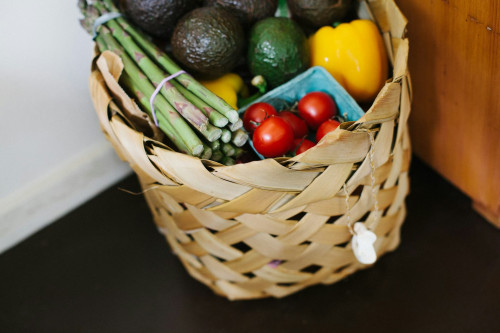
- Mix veggies into familiar dishes – shredded zucchini in muffins, spinach in smoothies, or bell peppers in pasta sauce.
When vegetables are a normal part of every meal, kids gradually become more open to eating them.
Plan Ahead to Save Time
A weekly meal plan can make family dinners much easier. It helps you shop efficiently, reduce food waste, and keep meals balanced. Try organizing your week around simple themes:
- Monday: Quick pasta night
- Tuesday: Tacos or burrito bowls
- Wednesday: One-pot meal or slow cooker dish
- Thursday: Leftovers or wraps
- Friday: Family fun night—homemade pizza or burgers
Planning ahead means fewer last-minute decisions and more time to enjoy dinner together.
Get Kids Involved in the Kitchen
Kids who help cook are often more willing to taste new foods. Involve them in small, age-appropriate tasks—washing vegetables, stirring sauce, or setting the table. You can also let them choose one meal for the week. It gives them a sense of ownership and teaches them that cooking is something families do together.
Læs også:

Create a Calm, Shared Mealtime
Even the best meal can lose its magic if dinner feels rushed or stressful. Try to make mealtime a calm, positive experience. Avoid pressure about what or how much anyone eats. Instead, focus on conversation and connection.
Serving food family-style—in bowls or platters on the table—encourages everyone to help themselves and creates a sense of togetherness.
One Meal, Many Options
Cooking one meal for the whole family isn’t about compromise—it’s about creativity. When you plan flexible dishes, build flavor in layers, and give everyone choices, dinner becomes something everyone can enjoy.
It takes a little practice, but the reward is worth it: less stress, fewer battles, and more time to share what really matters—the joy of eating together.
Læs også: