When New Meets Old: Use Contrasts Intentionally in Your Home Addition


When New Meets Old: Use Contrasts Intentionally in Your Home Addition
When you add on to an existing home, you face a key design decision: should the new space blend seamlessly with the old, or should it stand apart? More and more homeowners are choosing to let the new and the old meet in deliberate contrast. Done well, this approach creates a dynamic dialogue between tradition and modern living—honoring the home’s history while embracing today’s needs. But balance is everything. Here’s how to use contrast intentionally when planning your home addition.
Why Contrasts Work
Contrasts bring energy and character to a home. When a sleek, modern addition meets an older structure, the tension between the two can highlight the beauty of both. The original home feels more authentic, while the new space clearly represents the next chapter in its story.
The goal isn’t to shock, but to create harmony through difference. A glass-and-steel addition can emphasize the warmth and texture of an old brick house, while a wood-clad extension can soften a mid-century ranch and connect it more closely to nature.
Læs også:
Know Your Home’s Character
Before you start designing, take time to understand your home’s architecture. What defines it—materials, proportions, details? Is it a Craftsman bungalow, a Victorian, or a 1970s split-level? The better you understand its character, the easier it is to design an addition that respects it, even if the new space is distinctly modern.
A good rule of thumb is to make the addition clearly contemporary but with subtle references to the original. That might mean echoing rooflines, repeating window rhythms, or choosing colors that complement the existing palette.
Materials That Speak to Each Other
Material choices are key to how the contrast feels. Consider working with:
- Natural materials like wood, brick, or copper that age gracefully and create a soft transition between old and new.
- Glass and metal, which bring lightness and transparency, allowing the original structure to remain the visual anchor.
- Color and texture, which can either blend or intentionally contrast. A dark-stained cedar addition, for example, can beautifully frame a light-colored brick home.
The goal is for materials to complement, not compete. A skilled architect or designer can help you find the right balance.
Light, Space, and Function
An addition isn’t just about looks—it’s about how you live. Often, the contrast between old and new opens up new possibilities for light and flow.
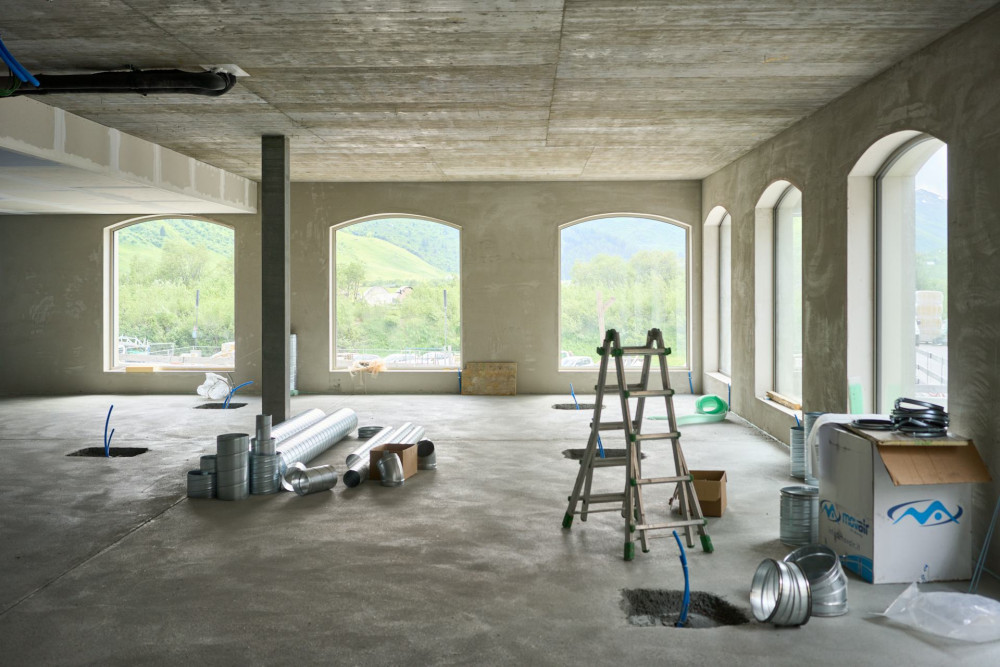
Older homes tend to have smaller, enclosed rooms, while a new addition can introduce open layouts, large windows, and stronger connections to the outdoors. By letting the new space feel brighter and more expansive, you create a natural rhythm in the home—moving from cozy, intimate rooms to airy, light-filled ones.
The Transition Between Old and New
The junction between the existing house and the addition is one of the most important design moments. It’s where two eras meet, and that should be felt—but gracefully.
You might choose to emphasize the transition with a glass connector or a narrow hallway that allows both structures to stand independently. Or you can make the transition more seamless, letting materials and lines flow from one to the other. Both approaches can work, depending on your home’s style and your personal taste.
Think Sustainable and Long-Term
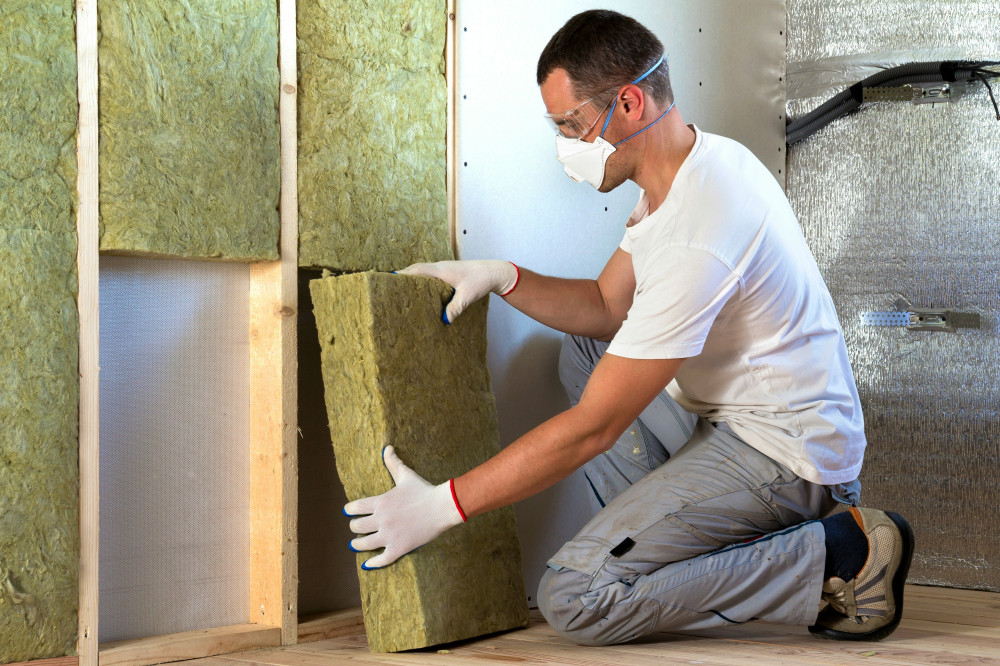
A home addition is a perfect opportunity to build sustainably. A modern extension can improve your home’s energy performance, add better insulation, and make smarter use of natural light. Choose materials with low environmental impact and long lifespans, and consider energy-efficient windows, solar panels, or green roofs.
By combining the craftsmanship of the old with the technology of the new, you can create a home that’s both beautiful and future-ready.
A Home with Personality
When new meets old, the result can be a home full of personality and story. A well-designed addition doesn’t erase the past—it builds on it. It tells a tale of evolution, of changing needs and tastes, and of the people who live there. When contrasts are used intentionally, the outcome isn’t a clash, but a conversation between past and present.
Læs også: