Insulation Explained: Why It’s the Key to an Energy-Efficient Home

Insulation Explained: Why It’s the Key to an Energy-Efficient Home
When it comes to improving your home’s energy performance, insulation is often the first thing experts mention—and for good reason. A well-insulated home stays warmer in the winter and cooler in the summer, reducing energy use, lowering utility bills, and creating a more comfortable living environment. But what exactly is insulation, and why is it so essential for an energy-efficient home?
What Is Insulation—and How Does It Work?
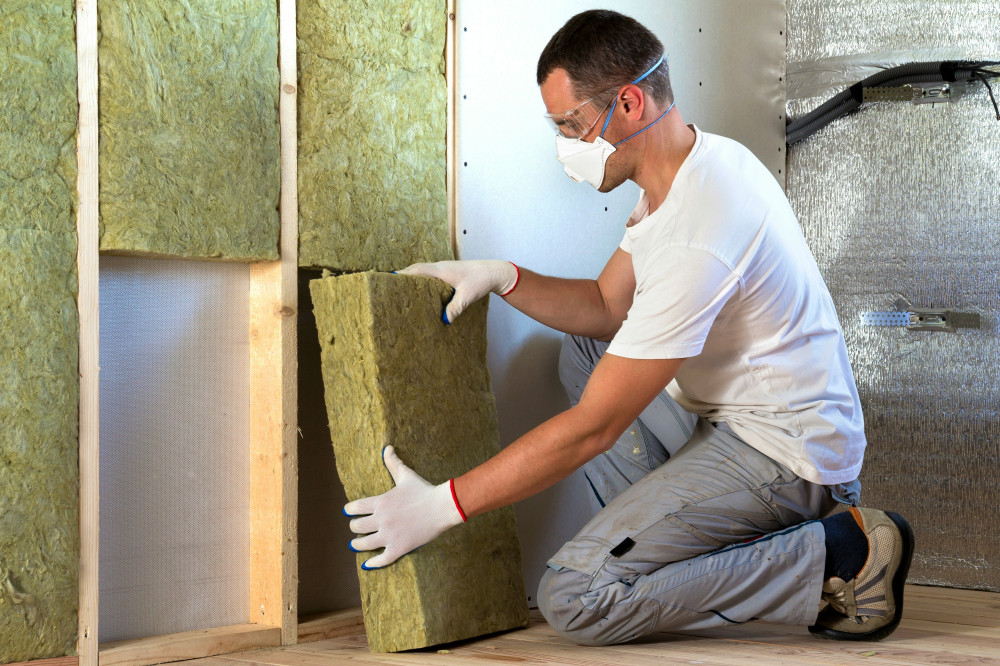
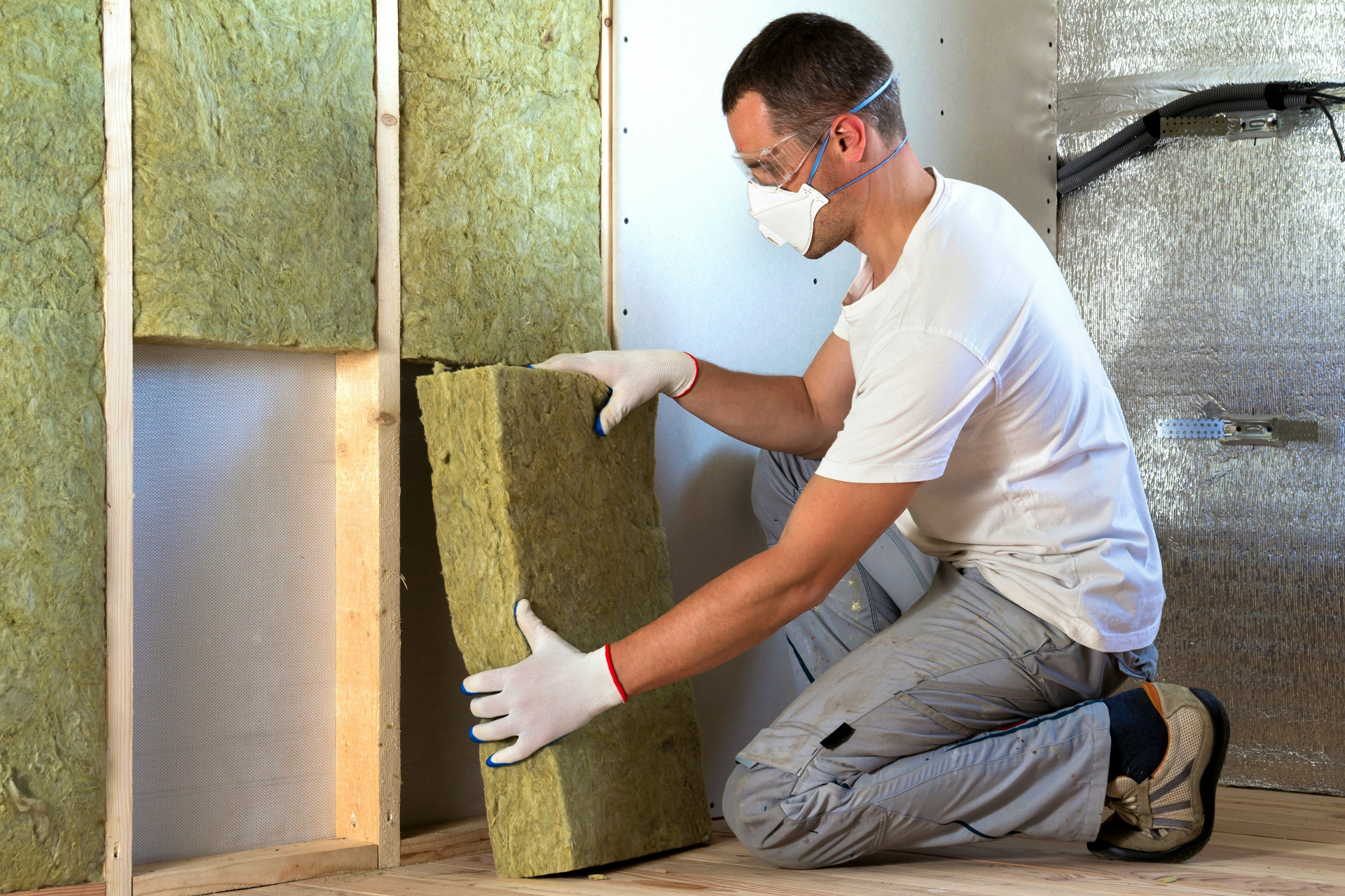
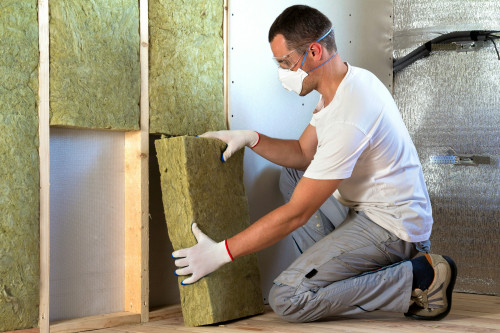
Insulation is all about slowing down the transfer of heat between the inside and outside of your home. Materials like fiberglass, cellulose, spray foam, or rigid foam boards act as barriers that resist heat flow. The better the insulation, the less energy your heating and cooling systems need to maintain a comfortable indoor temperature.
Heat naturally moves from warm areas to cooler ones. Without insulation, warmth escapes through walls, roofs, and floors in winter, while summer heat seeps in. Insulation’s job is to slow this movement, keeping indoor temperatures stable and reducing the strain on your HVAC system.
The Most Important Areas to Insulate
For a truly energy-efficient home, the entire building envelope—the parts of your home that separate indoors from outdoors—should be properly insulated. Key areas include:
- Attic and roof – Up to 25% of a home’s heat loss can occur through the roof. Adding attic insulation is often the most cost-effective upgrade.
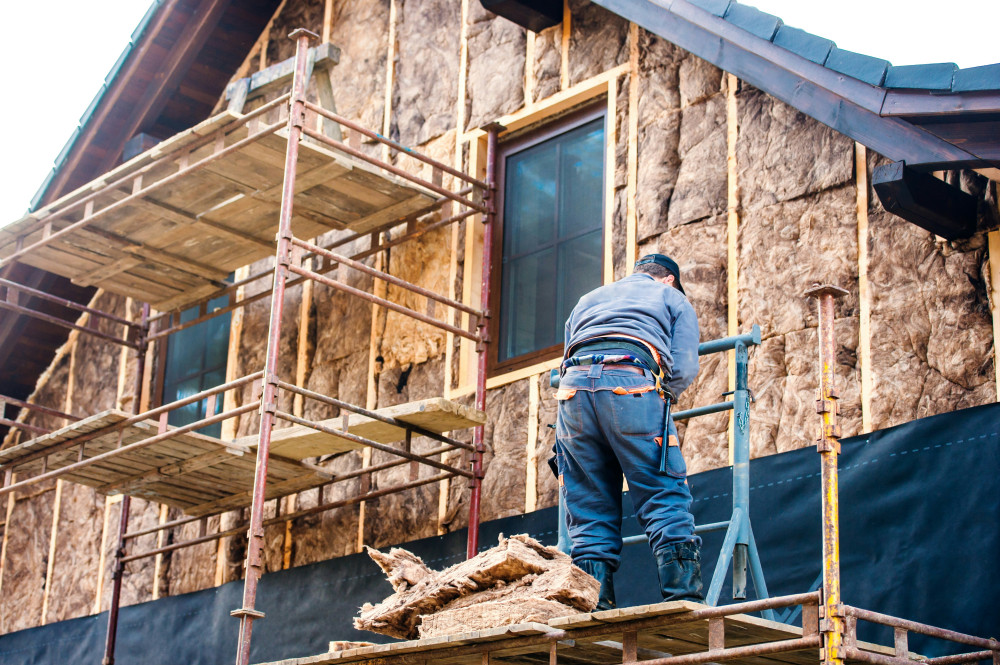
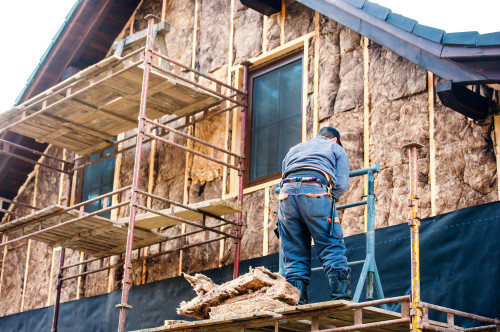
- Exterior walls – Many older homes have little or no wall insulation. Adding insulation to wall cavities or exterior sheathing can dramatically reduce heat loss.
- Floors and basements – Insulating floors above unheated spaces or basement walls can improve comfort and prevent cold drafts.
- Windows and doors – Even with well-insulated walls, leaky windows can undermine efficiency. Energy-efficient windows and proper sealing make a big difference.
A whole-home approach is key. There’s little benefit in insulating one area perfectly if heat is still escaping elsewhere.
Læs også:
The Benefits of Good Insulation
Insulation offers more than just lower energy bills—it improves comfort, health, and sustainability.
- Lower energy costs – Less heat loss means less need for heating and cooling.
- Improved comfort – Consistent indoor temperatures and fewer drafts make your home more pleasant year-round.
- Reduced carbon footprint – Using less energy helps cut greenhouse gas emissions.
- Noise reduction – Many insulation materials also absorb sound, creating a quieter home.
- Increased home value – Energy-efficient upgrades can make your property more attractive to buyers.
Common Mistakes—and How to Avoid Them
Even the best insulation won’t perform well if it’s installed incorrectly. Here are some common pitfalls:
- Air leaks – Gaps and cracks can lead to drafts and moisture problems. Proper air sealing is essential.
- Moisture issues – Wet insulation loses effectiveness and can lead to mold. Use vapor barriers and ensure good ventilation where needed.
- Over-insulating without ventilation – A tightly sealed home still needs fresh air. Combine insulation upgrades with proper ventilation systems.
- Ignoring the big picture – Insulation should work in harmony with windows, HVAC systems, and ventilation for maximum efficiency.
It’s often worth consulting a certified energy auditor before starting a project. They can identify where your home is losing energy and recommend the most effective improvements.
New Materials and Sustainable Options
Insulation technology has come a long way. While fiberglass remains common, there are now many eco-friendly alternatives. Cellulose made from recycled paper, cotton, wool, and plant-based materials like hemp or wood fiber offer effective insulation with a lower environmental impact.
Manufacturers are also developing recyclable and carbon-neutral products that fit into a circular economy. That means you can choose insulation that not only saves energy but also supports a more sustainable future.
How to Get Started
If you’re considering upgrading your home’s insulation, start with an energy assessment. Many utility companies and state programs offer home energy audits that pinpoint where heat is escaping and which improvements will deliver the best return.
Once you know where to focus, prioritize the attic—it’s often the easiest and most impactful place to start. Check for available rebates, tax credits, or incentives through federal or state energy-efficiency programs, such as those offered by the Department of Energy or local utilities.
Insulation as an Investment in the Future
Insulating your home is one of the smartest long-term investments you can make. It lowers your energy bills, enhances comfort, and reduces your environmental footprint—year after year. At the same time, it supports the broader transition toward cleaner, more efficient energy use.
An energy-efficient home starts with a strong foundation—and that foundation is quality insulation.
Læs også: