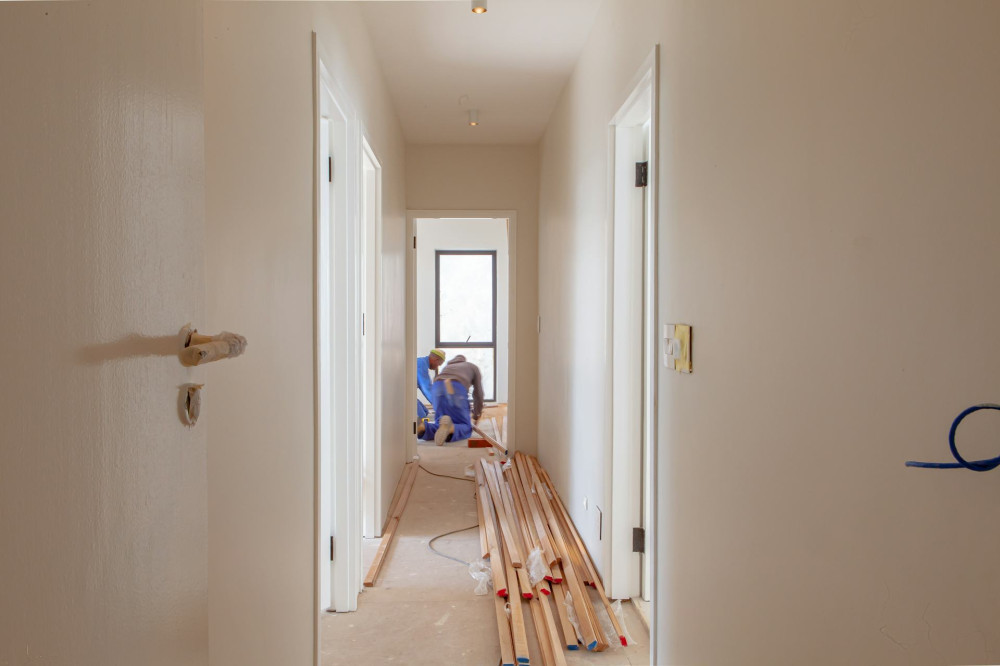
Overall Impression: How Facade, Roof, Windows, and Doors Work Together

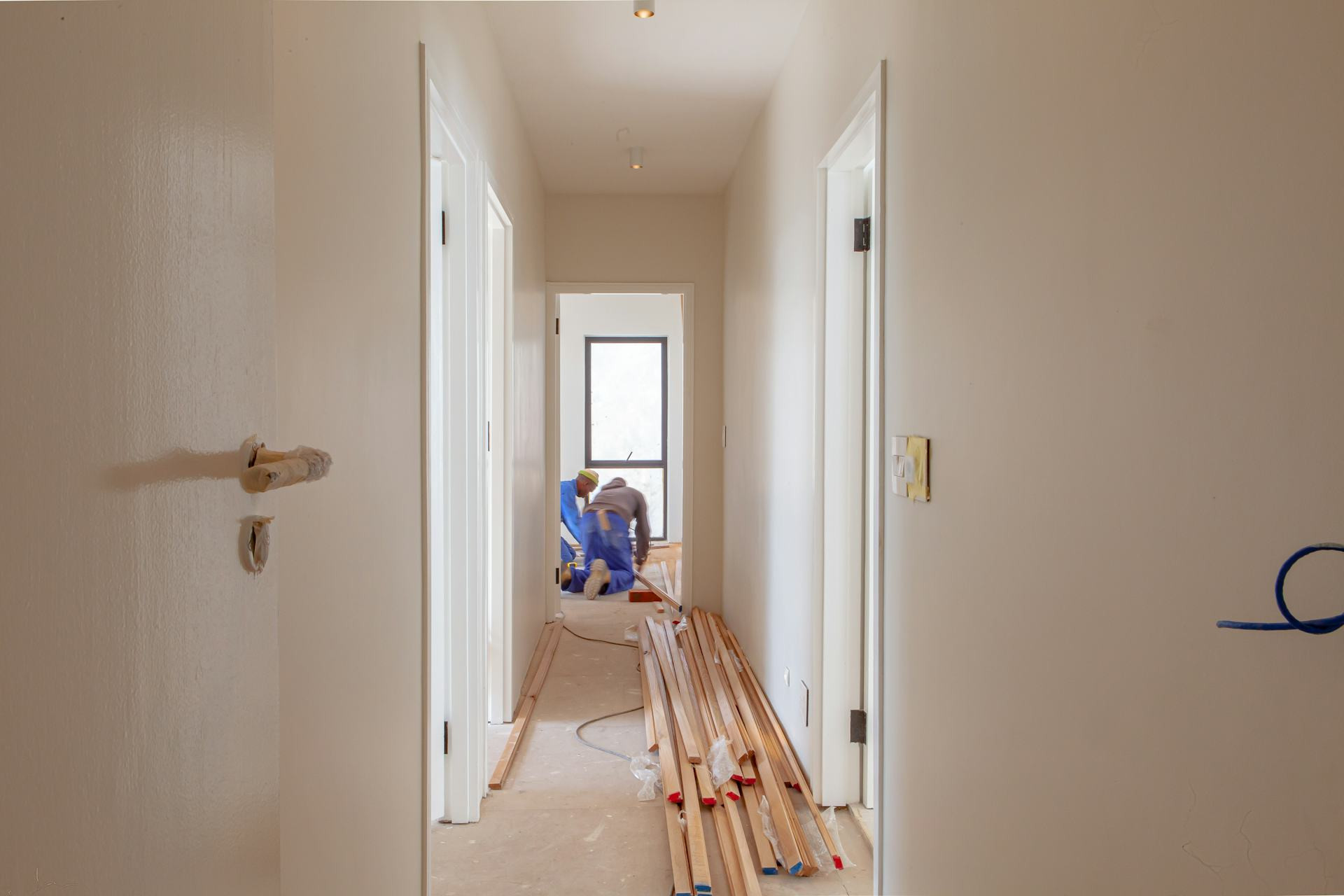
Overall Impression: How Facade, Roof, Windows, and Doors Work Together
When you look at a house for the first time, you form an impression almost instantly—often without knowing exactly why. It might be the colors, the proportions, or the way materials complement each other that makes a home feel balanced and inviting. The overall impression arises when the facade, roof, windows, and doors work together in harmony. Here’s a guide to creating a cohesive and appealing look for your home, whether you’re building new or renovating.
The Facade – The Face of the Home
The facade is the first thing people notice, setting the tone for the entire house. The choice of materials—brick, stucco, wood, or siding—affects both appearance and maintenance. A brick facade conveys durability and tradition, while wood or fiber-cement siding can give a lighter, more contemporary feel.
When choosing colors, consider the surroundings. In a neighborhood with many neutral-toned homes, a subtle palette often blends best, while a more rural or wooded setting allows for bolder choices. Details such as trim, shutters, and porch columns may seem minor, but they have a big impact on the overall impression. A well-balanced facade is like a face where every feature fits naturally together.
The Roof – The Home’s Fifth Facade
The roof covers a large portion of what people see from the street and often defines the home’s silhouette. Its shape, pitch, and material should complement the facade. A gabled roof with asphalt shingles gives a classic American look, while a flat or low-slope roof with metal panels can emphasize modern architecture.
Roof color also plays a key role. A dark roof can add contrast and weight to a light-colored home, while a lighter roof can make the structure appear more airy. In warmer climates, lighter roofs can also help reflect heat and improve energy efficiency. Consider how the roof fits into the landscape—one that harmonizes with its environment will always look more natural.
From a practical standpoint, the roof is central to a home’s energy performance. Solar panels, skylights, and proper insulation can be integrated seamlessly so that function and aesthetics go hand in hand.
Windows – The Eyes of the Home
Windows shape both the look and the feel of a house. Their size, placement, and style can transform the character of the entire building. Large picture windows or sliding glass doors create a modern, open feel, while smaller, divided-light windows suit more traditional homes.
The color and material of window frames should coordinate with both the facade and the roof. White frames are timeless and bright, while black or bronze frames add depth and contrast. Wood windows bring warmth and authenticity but require upkeep, whereas vinyl, fiberglass, or aluminum options offer durability with minimal maintenance.
When replacing or adding windows, think about the whole composition. A window that looks great on its own might feel out of place if it doesn’t align with the home’s overall design language.
Læs også:
Doors – The Home’s Welcome
The front door is one of the most expressive elements of a home’s exterior. It reflects both the architectural style and the homeowner’s personality. A solid wood door in a rich stain conveys tradition and strength, while a sleek door with glass panels suggests a modern, open attitude.
Color is a powerful tool here. A bold front door—perhaps in red, navy, or teal—can serve as a cheerful focal point, but it should still harmonize with the rest of the exterior. Don’t overlook the details: hardware, lighting, and even the house numbers contribute to the sense of welcome and style.
The Harmony – When Everything Works Together
The most beautiful results come when all elements speak the same design language. A traditional home with brick walls, a dark shingle roof, and white-trimmed windows feels calm and balanced, while a contemporary home with a flat roof, expansive glass, and dark frames exudes simplicity and modernity.
Think in terms of proportion and repetition. Echo colors or materials in multiple places—for example, match the door color to the window trim or repeat the roof tone in the porch railing. These subtle connections create unity and visual flow.
The Overall Impression Is About Balance
A strong overall impression isn’t about choosing the most expensive materials or the boldest colors—it’s about achieving balance among form, color, and function. When the facade, roof, windows, and doors work together, the house gains character and coherence. It becomes more than just a structure—it becomes a home that feels right from the very first glance.
Læs også: