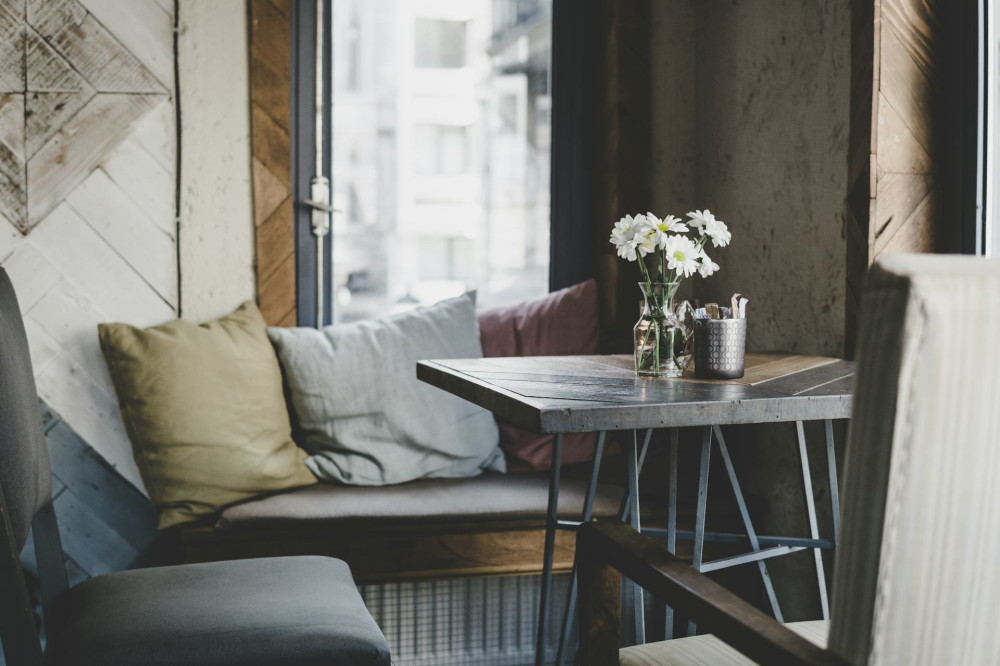
Test the colors before you paint – see how the light changes the look

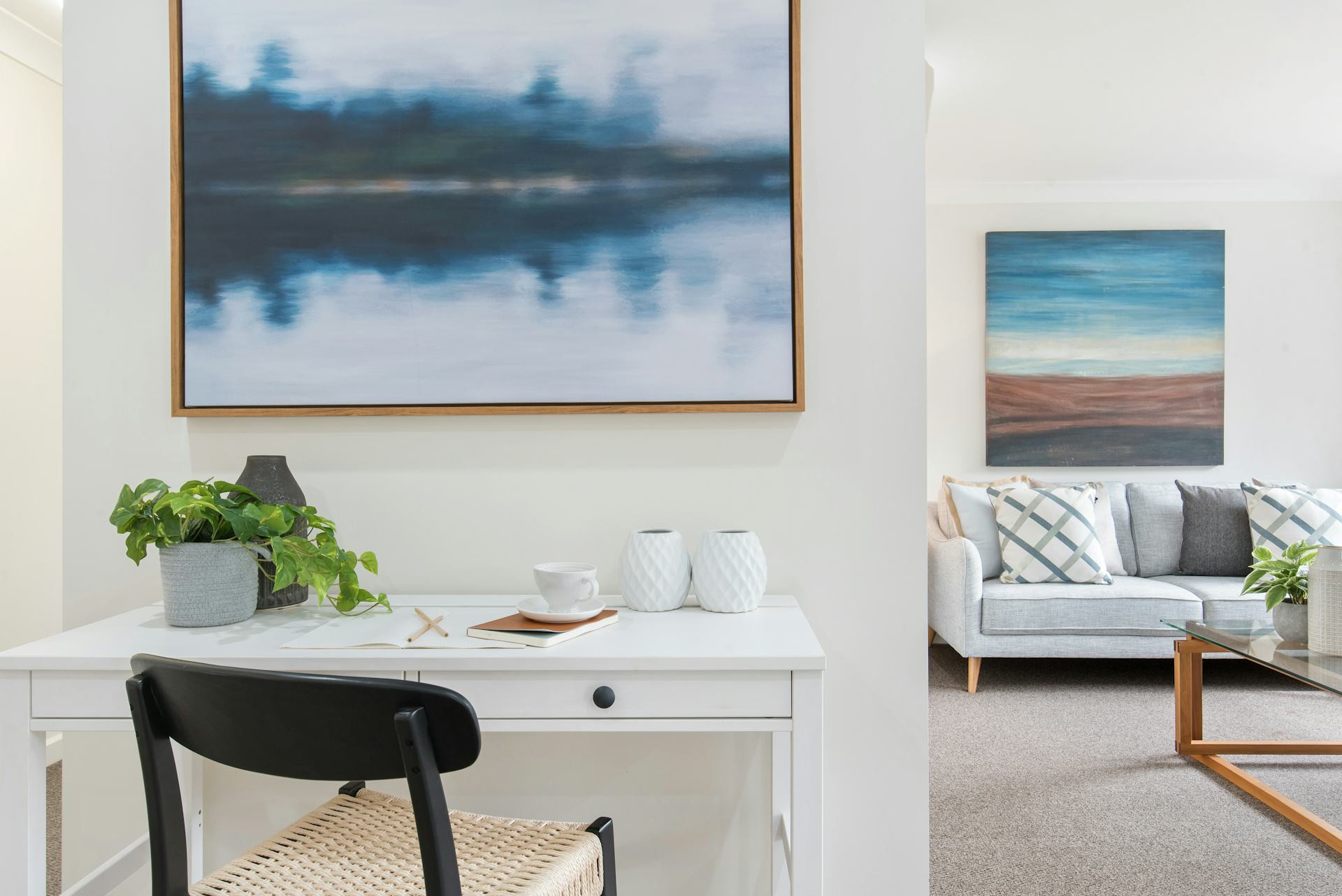
Test the colors before you paint – see how the light changes the look
When you’re getting ready to paint a room, it’s tempting to pick a color straight from the paint chip and start rolling. But colors rarely look the same on your walls as they do on a small sample card. Light—both natural and artificial—can dramatically change how a color appears. That’s why it’s worth taking the time to test your colors before painting the entire space. Here’s how to do it and why it can save you time, money, and frustration.
How light affects color
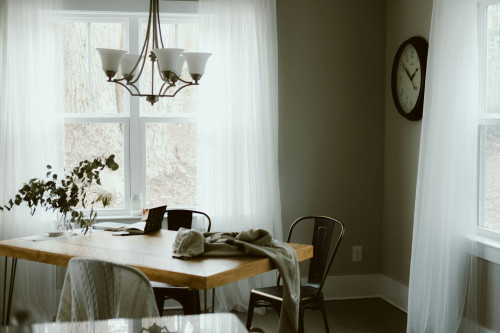
Colors are not static—they shift and come alive with the light. A shade that looks warm and golden in the morning sun can appear cool and gray in the evening. That’s because the color temperature and direction of light influence how we perceive color.
- North-facing rooms tend to get cooler, bluish light. Warm tones like beige, terracotta, or blush can help balance that.
- South-facing rooms are bathed in warm sunlight most of the day, which can make warm colors feel even more intense. Cooler tones like blue, green, or gray can create a calming effect.
- East-facing rooms have bright morning light that fades to a softer, more neutral tone later in the day.
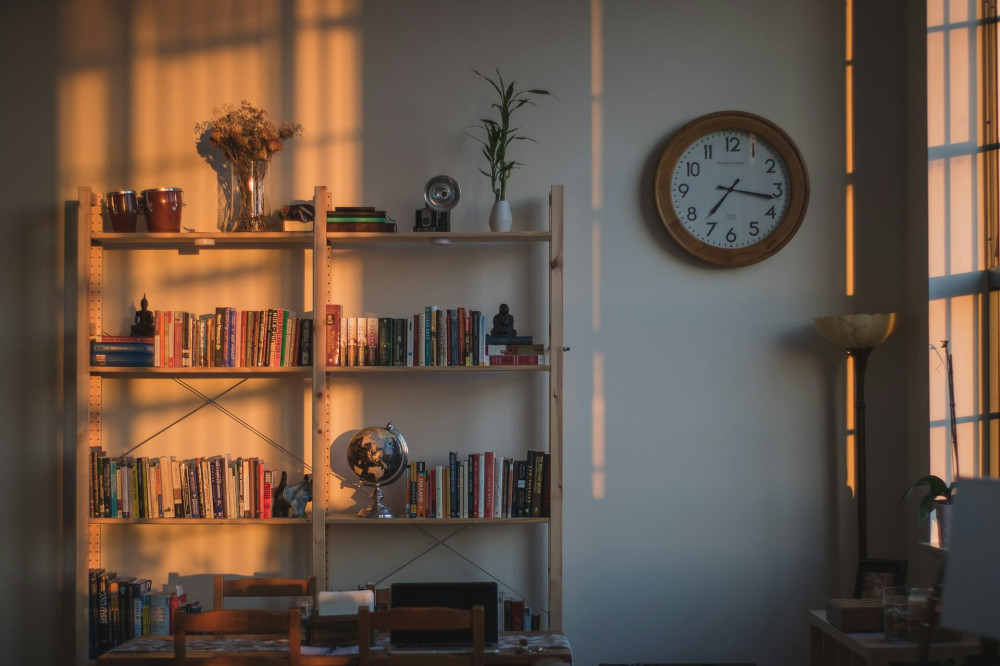
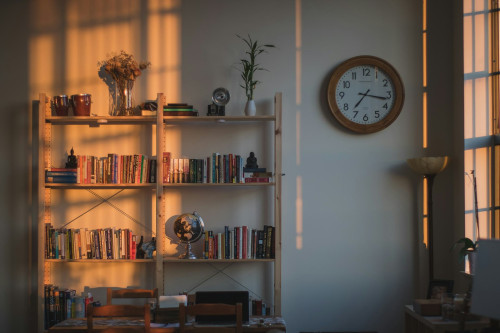
- West-facing rooms glow with golden afternoon light, which can make colors appear richer and warmer.
Understanding how light moves through your space is the first step toward choosing the right shade.
Læs også:
How to test paint colors
Instead of committing to a full wall right away, test your colors in a way that gives you a realistic sense of how they’ll look in your home.
- Buy sample pots – Most paint stores sell small sample sizes of their colors.
- Paint large swatches – Make test patches at least 2 feet by 2 feet so you can see the color at scale.
- Test on multiple walls – Paint swatches on different walls to see how the color looks in both direct and indirect light.
- Observe at different times – Look at the color in daylight, evening light, and under your artificial lighting. A color that feels perfect at noon might look completely different at night.
- Use movable boards – If you don’t want to paint directly on the wall, paint poster boards or foam boards that you can move around the room.
It might feel like an extra step, but it gives you a much more accurate idea of how the color will truly look once the room is finished.
Choose the right finish
The look of a color depends not only on the shade itself but also on the paint’s finish. A matte finish gives a soft, subtle appearance, while a semi-gloss or gloss finish reflects more light and feels livelier.
- Flat or matte paint hides imperfections and creates a calm, velvety look—great for living rooms and bedrooms.
- Eggshell or satin finishes are easier to clean and work well in kitchens, hallways, and kids’ rooms.
- Semi-gloss or gloss paint highlights color and adds drama but also reveals wall texture and flaws.
Think about the room’s purpose and the mood you want before deciding on a finish.
Consider the surroundings
A color never stands alone. It’s influenced by everything around it—floors, furniture, fabrics, and even neighboring wall colors. A gray wall can look bluish next to warm wood tones, while a green might appear more yellow under cool light.
When testing colors, gather samples of your flooring, curtains, and furniture fabrics. Seeing them together helps you understand how the entire palette will work in your space.
Avoid common mistakes
Many people are surprised when the color they chose looks completely different once it’s on the wall. That’s often because paint chips are small and viewed under neutral store lighting. Once the color covers a large area, it usually appears darker and more intense.
A good rule of thumb is to choose a shade slightly lighter than what you think you want. And remember—it’s better to spend a day testing than to repaint an entire room.
Make color selection an experience
Choosing paint colors isn’t just a technical task—it’s a creative process. Take time to think about the atmosphere you want to create. Should the room feel calm, energetic, cozy, or airy? Colors influence our mood and perception of space more than we often realize.
By testing and observing colors in different lighting conditions, you’ll get to know your home better. The result will be more personal—and far more satisfying—when you finally pick up the brush.
Læs også: