Sustainable Funerals? How to Talk Openly About Green Choices with Your Family


Sustainable Funerals? How to Talk Openly About Green Choices with Your Family
More Americans are beginning to think about how their final farewell can reflect the values they lived by — including care for the planet. A sustainable funeral isn’t just about choosing an eco-friendly casket or urn; it’s also about how families talk about death, wishes, and responsibility. It can be a sensitive topic, but open conversations can bring peace of mind and ensure that the farewell is both personal and environmentally conscious.
Why Talk About Sustainability in Death?
Many of us already make eco-friendly choices in daily life — recycling, reducing waste, and supporting sustainable products. Yet when it comes to death, it can feel strange to apply the same principles. Still, there are good reasons to do so. The funeral industry has a significant environmental footprint, from embalming chemicals to non-biodegradable materials and energy-intensive cremations. Today, there are many ways to reduce that impact without sacrificing dignity or tradition.
Discussing these choices isn’t only about the environment. It’s also about taking ownership of one’s final wishes. Knowing that your preferences are understood can bring comfort — and it can spare loved ones from making difficult decisions during a time of grief.
How to Start the Conversation
Bringing up end-of-life topics can feel uncomfortable, especially if no one is facing immediate health concerns. But that’s often the best time to talk — when everyone has the emotional space to think clearly. Here are some ways to begin:
- Start with values. Ask one another: “How can our final arrangements reflect the way we’ve tried to live our lives?”
- Use a natural opening. A news story, documentary, or even a friend’s experience can make the topic easier to approach.
- Take it in small steps. The conversation doesn’t have to happen all at once. What matters is that it begins — and continues over time.
- Listen with empathy. There are no right or wrong answers. For some, sustainability means environmental responsibility; for others, it may mean simplicity or supporting local traditions.
When the discussion becomes part of your family’s shared reflection, it’s easier to find solutions that feel right for everyone.
Green Choices in Practice
A sustainable funeral can take many forms. It’s not about doing everything “green,” but about making thoughtful choices. Some common options include:
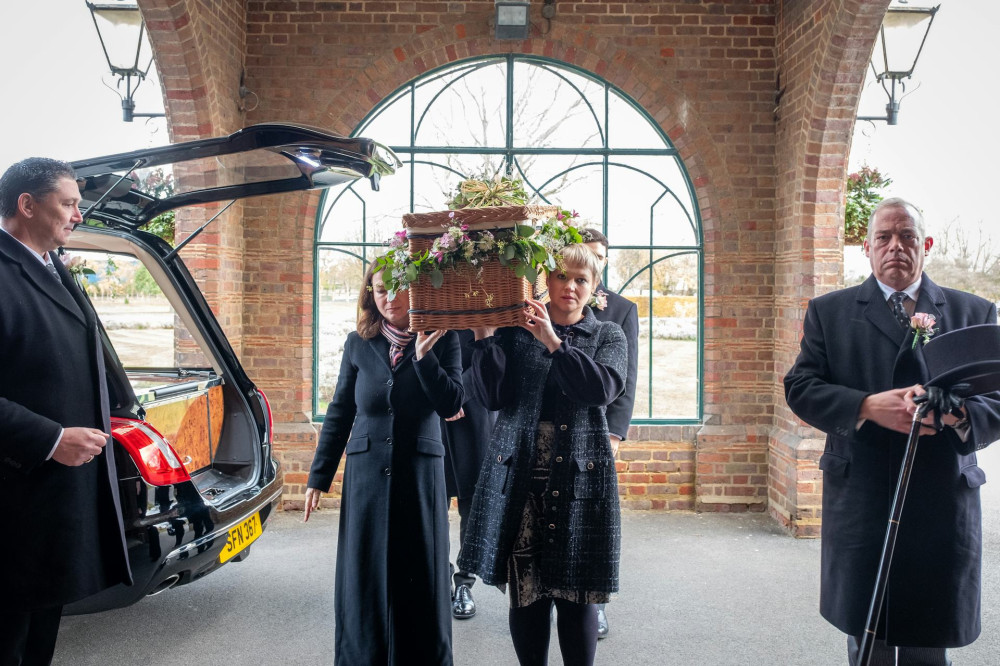
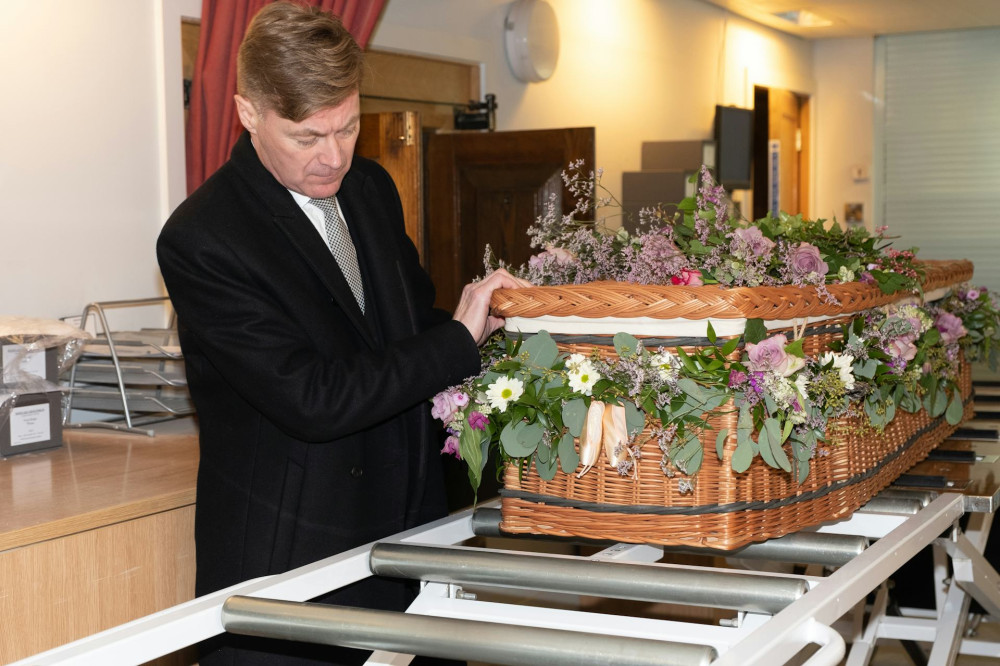
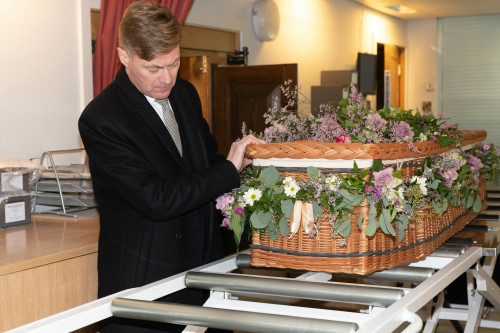
- Eco-friendly caskets and urns. Choose models made from untreated wood, bamboo, wicker, or recycled materials that decompose naturally without harmful chemicals.
- Natural burial grounds. Many cemeteries across the U.S. now offer natural or conservation burial areas, where graves are marked with native plants or simple stones, and the landscape remains undisturbed.
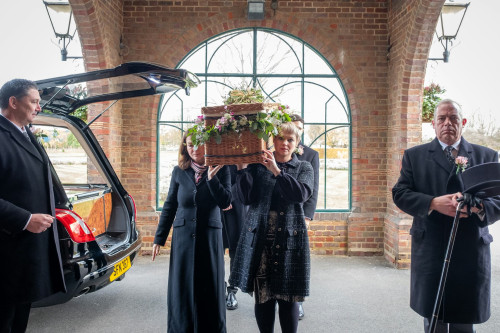
- Transportation and flowers. Opt for local, seasonal flowers, avoid plastic decorations, and consider carpooling or shared transportation for guests.
- Memorial donations. Instead of traditional wreaths, some families choose to donate to environmental or community causes in memory of the deceased.
Even small steps can make a meaningful difference — both for the planet and for the sense that the farewell truly reflects the person’s life and values.
Læs også:

When Opinions Differ
It’s common for family members to have different views about what feels right. Some may prefer a traditional service, while others lean toward a simpler or more natural approach. The key is to meet with respect and understanding.
Try to focus on shared values rather than differences. Perhaps everyone can agree that the farewell should be personal, peaceful, and meaningful — and from there, find green elements that fit. Consulting a funeral director experienced in sustainable options can also help clarify what’s possible without pressuring anyone.
Put Wishes in Writing
Once decisions are made, it’s wise to document them. This could be in a written statement, a letter, or an advance planning form. Having clear instructions helps loved ones know exactly what to do and ensures that your wishes are honored.
It can also bring relief to the family, knowing that everything — from practical details to personal values — has been thoughtfully considered. In that way, the conversation about death becomes not just a heavy topic, but an act of care and responsibility.
A Green Farewell as Part of Life’s Cycle
Choosing a sustainable funeral is ultimately about seeing death as part of nature’s cycle. It’s a way to say goodbye that honors both life and the earth we leave behind. When families talk openly about it, death becomes less of a taboo and more a natural part of the conversation about how we want to live — and how we want to leave — with mindfulness and respect.
Læs også: