After the Goodbye: How to Find Peace and Time to Process the Loss


After the Goodbye: How to Find Peace and Time to Process the Loss
When someone you love is gone, the world can feel unfamiliar overnight. The routines that once filled your days may suddenly seem empty, and even simple tasks can feel overwhelming. Grief is a natural response to loss, but it takes time and patience. Finding peace and giving yourself space to process the loss isn’t about forgetting—it’s about learning to live with the love and memories that remain.
Here are some ways to create room for your grief, find support, and take gentle steps toward healing.
Allow Your Grief to Exist
Grief doesn’t follow a schedule, and it can’t be rushed. It comes in waves—some days heavier, others lighter. The most important thing is to allow yourself to feel what you feel.
Let yourself cry, be angry, feel relief, or even numbness. Every reaction is valid. Many people find comfort in talking about the person they’ve lost—sharing stories, looking through photos, or writing letters to them. These acts can help you maintain a sense of connection while slowly accepting the changes in your life.
Create Small Rituals in Daily Life
After a loss, everyday life can feel disoriented. Creating small rituals can bring a sense of structure and calm. You might light a candle each morning, take a walk at the same time every day, or spend a few minutes journaling your thoughts.
Rituals offer continuity in the midst of chaos and can be a quiet way to honor your loved one. Some people find comfort in visiting a gravesite or a favorite place, while others prefer to remember through music, photos, or time in nature. There’s no right or wrong way—what matters is that it feels meaningful to you.
Seek Support in Community
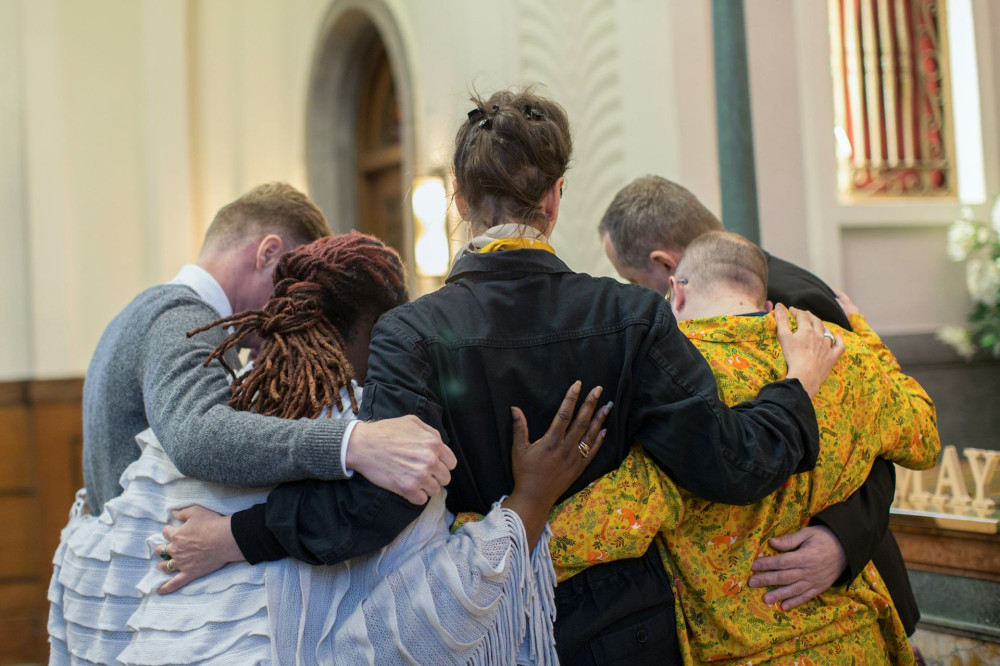
Even though grief can feel isolating, you don’t have to carry it alone. Family, friends, and coworkers often want to help but may not know how. Be honest about what you need—whether it’s practical help, company, or simply someone to listen without trying to fix things.
In the U.S., there are many grief support groups, counseling services, and community programs that can connect you with others who understand what you’re going through. Hearing others’ stories can bring comfort and remind you that grief is not a sign of weakness—it’s a reflection of love.
Læs også:



Care for Your Body—It Carries the Grief Too
Grief affects not only your emotions but also your body. You might feel exhausted, have trouble sleeping, or lose your appetite. Taking care of yourself may feel difficult, but small steps can make a difference.
Try to keep regular meals, get outside for fresh air, or move your body gently through walking or stretching. Physical activity can help calm your mind, even when your heart feels heavy. Rest is also part of healing—allow yourself to slow down and take breaks when you need them.
As Time Passes—Grief Changes Shape
Over time, grief doesn’t disappear, but it becomes more bearable. Many describe it as learning to live with a scar—it’s still there, but it no longer defines every moment.
Marking special days, such as birthdays or anniversaries, can help you honor your loved one’s memory. You might cook their favorite meal, gather family, or do something they loved. These gestures keep their presence alive in a way that feels gentle and real.
Finding Peace in What Was—and What Will Be
Processing loss isn’t about letting go of love; it’s about finding a new way to carry it. When you begin to feel moments of joy again, it doesn’t mean you’ve forgotten or moved on—it means you’re learning to live with both sorrow and gratitude.
Peace comes slowly, in small moments: a shared laugh, a quiet morning, a memory that brings a smile instead of tears. Over time, those moments grow, and the love you carry becomes a source of strength rather than pain.
Læs også: