Learning Outdoors – Using Nature as a Classroom for Children and Adults

Learning Outdoors – Using Nature as a Classroom for Children and Adults
Learning outdoors is about more than fresh air and open skies – it’s about engaging the senses, the body, and curiosity as tools for understanding. Whether it’s elementary school students, college learners, or adults in professional training, nature can serve as a living classroom where learning becomes tangible, engaging, and meaningful.
Why Nature Enhances Learning
Research in the U.S. and around the world shows that spending time in nature improves focus, well-being, and motivation. When we step outside, stress levels drop, and our brains become more receptive to new information. For children, this means they learn better when lessons combine theory with hands-on experience. For adults, nature offers a space for reflection and creativity – a welcome contrast to the screen-filled, fast-paced modern life.
In nature, learning becomes a full-body experience. Math can involve measuring tree heights, science can mean studying insects in a pond, and language arts can include describing the landscape or writing poetry inspired by a forest walk. Knowledge becomes concrete and connected to real life.
Learning for Children – Play, Curiosity, and Discovery
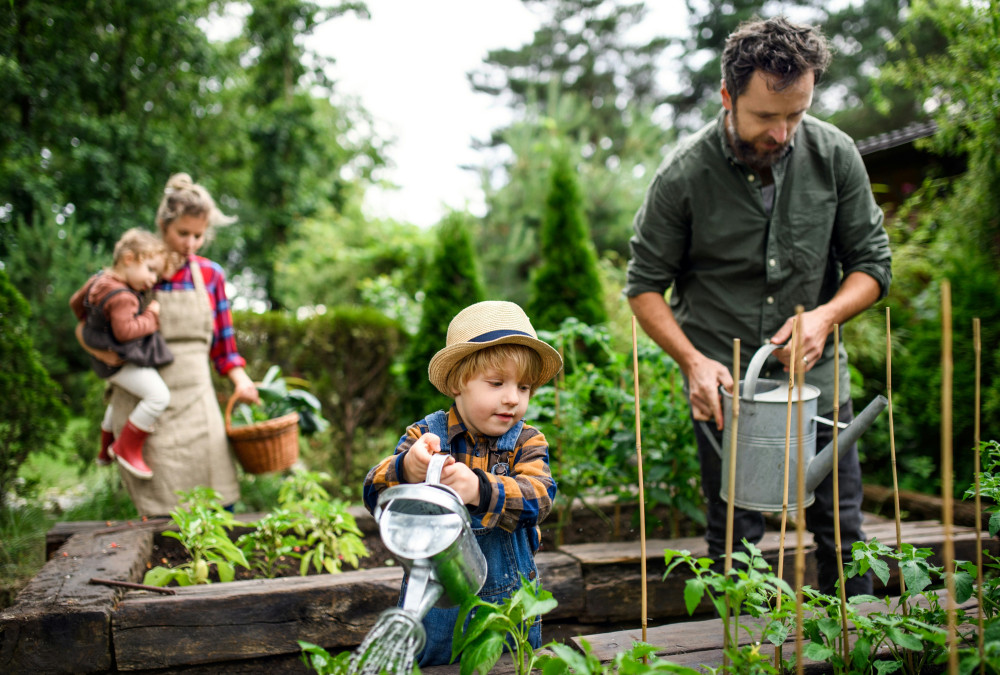
For children, the outdoors is the perfect place to explore and learn through play. It encourages curiosity, problem-solving, and teamwork.
- Nature scavenger hunts: Create a list of things to find – a pinecone, a bird feather, a smooth stone. This builds observation skills and makes science fun.
- Build and experiment: Use sticks, leaves, and rocks to construct small shelters or art projects. This fosters creativity and spatial understanding.
- Storytelling in nature: Tell or create stories about animals, plants, or local legends. It strengthens language skills and imagination.
When children learn outside, they become active participants in their own education. They ask questions, test ideas, and discover that mistakes are part of learning.
Læs også:
Learning for Adults – Reflection and Connection
For adults, nature offers a space for focus, renewal, and collaboration. Many U.S. companies, universities, and community programs now use outdoor settings for workshops, retreats, and team-building.
- Walk and talk: Conversations while walking often flow more naturally and spark new ideas.
- Mindfulness and nature therapy: Practicing awareness outdoors can reduce stress and boost creativity.
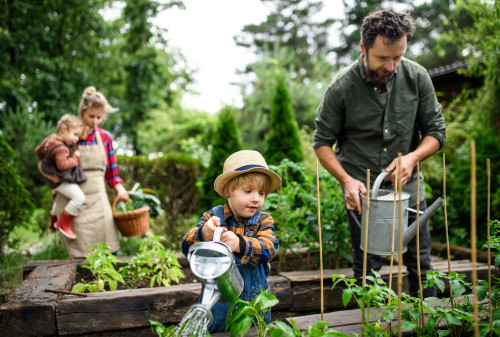
- Hands-on learning: Workshops in gardening, outdoor cooking, or sustainable living provide practical skills and a deeper understanding of environmental responsibility.
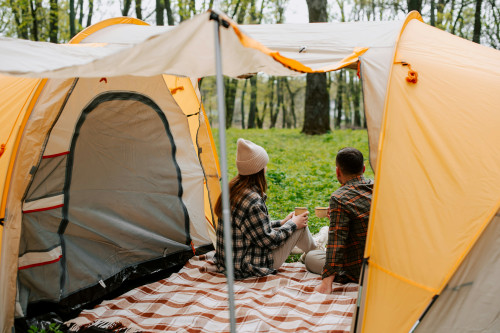
Nature encourages teamwork and reflection. When people work together to build a campfire or navigate a trail, they form connections that go beyond the classroom or office.
Getting Started
It doesn’t take much to move learning outdoors. Start small – a class in the schoolyard, a meeting in a local park, or a weekend workshop in a nearby nature preserve.
- Plan with the seasons – use nature’s changes as themes: spring growth, summer exploration, fall colors, or winter stillness.
- Think across subjects – nature can connect science, math, art, and language in creative ways.
- Involve participants – let students or adults help plan activities to increase engagement.
- Be prepared – dress for the weather, bring water, and have a safe place to rest or take shelter.
The key is to see nature as a resource, not a challenge. Even a small green space in a city can become a place for learning and inspiration.
Nature as a Lifelong Learning Partner
Using nature as a classroom isn’t just about education – it’s about building a lifelong relationship with the environment. When children and adults learn to understand and appreciate nature, they also develop a desire to protect it.
Outdoor learning is more than a method; it’s a mindset – one that connects knowledge, experience, and responsibility. No matter our age, we can all grow wiser – not only about the world around us, but also about ourselves – when we step outside.
Læs også: