Children’s Clothing with Freedom: Easy Dressing for Independent Kids

Children’s Clothing with Freedom: Easy Dressing for Independent Kids
When children start wanting to do things on their own, getting dressed is often one of the first steps toward independence. Being able to put on clothes without help gives kids a sense of accomplishment and freedom—and for parents, it can mean fewer morning battles and a smoother start to the day. But how do you choose clothes that are practical, comfortable, and easy for little hands to manage? Here’s how to build a wardrobe that supports your child’s growing independence.
Clothes That Go On Without a Struggle
Young children need clothing that’s intuitive to use. Zippers, buttons, and drawstrings can be tricky, especially for preschoolers still developing fine motor skills. Look for pieces with:
- Elastic waistbands – make pants and skirts easy to pull up and down without assistance.
- Large zippers or Velcro closures – especially on jackets and shoes, where small fingers need a good grip.
- Soft, stretchy fabrics – allow freedom of movement and make dressing more comfortable.
- Clear front and back markers – a small tag or design on the front helps kids know which way the clothing goes.
When clothes are easy to put on, kids are more likely to practice—and to feel proud when they succeed.
Comfort and Freedom to Move
Children run, climb, and play all day, so their clothes need to keep up. Comfort is just as important as style. Avoid stiff fabrics, tight seams, or scratchy details that can irritate sensitive skin.
Cotton, jersey, and stretch blends are great choices because they’re breathable and flexible. Layering also works well for kids dressing themselves: a lightweight shirt under a sweatshirt lets them adjust to changing temperatures without needing help with bulky outerwear.
Colors and Patterns That Make Choices Easy
For many kids, getting dressed is easier when their wardrobe is simple and coordinated. Choose colors and patterns that mix and match easily, so your child can create outfits that work together.
Let your child help pick out colors or favorite prints—it builds ownership and enthusiasm for getting dressed. At the same time, you can guide choices to ensure the clothes are practical and season-appropriate.
Smart Tips for a Self-Help Wardrobe
A few small strategies can make daily routines smoother:
- Use pictures or color labels in drawers or closets to show where shirts, pants, and socks belong.
- Lay out clothes in order the night before to help your child remember what goes on first.
- Choose Velcro shoes until your child masters tying laces.
- Think in layers and flexibility – so your child can add or remove a piece without needing help.
These little adjustments can make a big difference in how confident your child feels about dressing independently.
When Style Meets Function
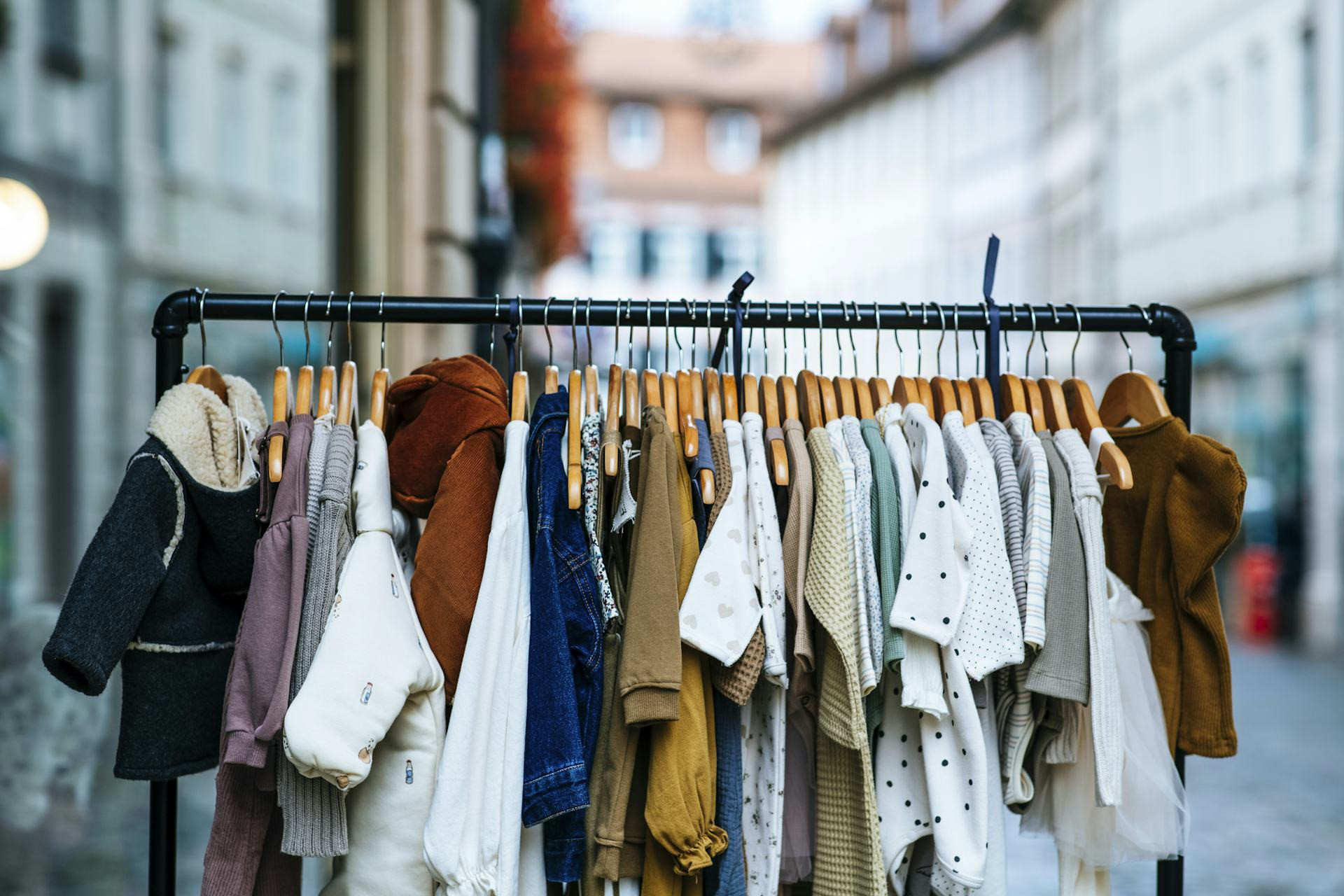
Independence doesn’t have to mean boring clothes. Many children’s brands now focus on both function and design. You can find stylish options with practical details—like adjustable waistbands, magnetic closures, or reversible tops.
The key is choosing clothes that fit your child’s everyday life: play, movement, and self-expression. When kids feel comfortable and capable, getting dressed becomes a positive part of the day—not a struggle.
Læs også:

An Investment in Confidence
Choosing clothing that supports independence isn’t just about convenience. It’s also about building confidence and responsibility. Every time your child zips their own jacket or picks out an outfit that works, they’re learning valuable life skills.
It takes patience—and sometimes a few extra minutes in the morning—but the reward is worth it: a child who feels capable, and a family routine that runs more smoothly for everyone.
Læs også: